

Registering a car in California is a vital step for any new or existing vehicle owner, ensuring legal compliance and facilitating smooth operations on the state’s roads. However, navigating the process can be a challenge, with its unique requirements and documentation demands. This comprehensive guide aims to demystify the registration procedure, equipping readers with the knowledge to successfully navigate this often-complex task. We’ll delve into every step, emphasizing the critical role of Vehicle Identification Number (VIN) verification for accuracy and security.
- Prepare Necessary Documents for Car Registration
- Understand California's Vehicle Identification Number (VIN) Verification Process
- Gather Information: VIN Lookup and Vehicle History Report
- Select a California Department of Motor Vehicles (DMV) Service Center
- Complete the Registration Process: Step-by-Step Guide
Prepare Necessary Documents for Car Registration

Registering a car in California involves several steps, with document preparation being a crucial phase. To ensure a seamless process, you must gather and present specific papers, including proof of ownership, vehicle identification number (VIN) verification, and relevant permits. One essential tool to facilitate this process is a mobile VIN verifier, which can be employed for a quick and accurate inspection of your car’s VIN during the registration.
The primary document required is a valid title certificate, issued by the previous owner, which must bear the vehicle’s correct and current VIN. This number is unique to each car and can be found on the vehicle’s chassis or on the dashboard near the driver’s side door. In California, a mobile VIN inspection service can validate this information in real time, ensuring accuracy and saving you a trip to a DMV office. It’s crucial to note that if there are any discrepancies between the title and the VIN, it may lead to registration delays or denials.
Additionally, expect to provide proof of insurance, a valid driver’s license, and possibly other identifying documents. It’s recommended to check with your local California Department of Motor Vehicles (DMV) office for an exhaustive list of requirements, as some areas may have specific additional needs. For instance, in certain jurisdictions, you might need to pass a smog test or show proof of safety inspections. A mobile VIN verifier can be particularly handy here, as it can also conduct basic vehicle inspections, ensuring your car meets California’s safety standards.
Understand California's Vehicle Identification Number (VIN) Verification Process
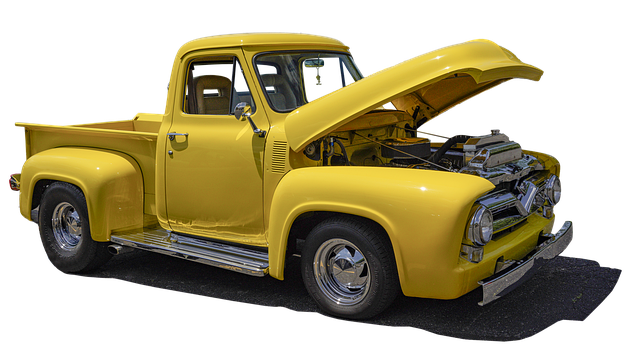
Registering a car in California involves several crucial steps, one of which is the Vehicle Identification Number (VIN) verification process. This step ensures that your vehicle meets all safety and environmental standards before it can be legally operated on California roads. Understanding VIN verification is essential to ensure a smooth registration process.
California requires a thorough VIN inspection as part of its registration procedures. This involves checking the VIN against state databases to verify the vehicle’s identity, history, and compliance with emission standards. A key component of this process is the availability of mobile VIN verification services, which allow for convenient and efficient inspections at your convenience. For instance, many California Department of Motor Vehicle (DMV) offices now offer mobile VIN inspection units that can be dispatched to your location, saving time and effort for both you and the DMV staff.
The accuracy of this verification is paramount, as incorrect or altered VINs can lead to significant legal consequences. A recent study found that up to 4% of vehicles in California may have altered VINs, highlighting the importance of robust inspection methods. Mobile VIN verification services employ advanced technology, such as barcode scanners and digital documentation, to ensure the integrity of each vehicle’s information. For example, these services can cross-reference the VIN with national databases to uncover any undisclosed accidents or outstanding issues, preventing individuals from submitting incomplete or misleading information during registration.
To prepare for a successful VIN inspection, maintain detailed records of your vehicle’s service history and ensure all documentation is up-to-date. Additionally, familiarize yourself with common signs of tampering, such as paint discrepancies or altered parts numbers. By proactively addressing these aspects, you’ll streamline the registration process and contribute to California’s overall effort in maintaining a safe and transparent automotive environment.
Gather Information: VIN Lookup and Vehicle History Report

Before registering your car in California, thorough vehicle history verification through a VIN (Vehicle Identification Number) inspection is crucial. The VIN serves as a unique fingerprint for every vehicle, offering critical insights into its past and ensuring you’re making an informed purchase or transfer of ownership. Start by conducting a VIN lookup using the California Department of Motor Vehicles’ (DMV) online services or trusted third-party platforms to access detailed information about the vehicle’s history. This initial step is vital as it helps identify any significant incidents, accidents, or outstanding issues that could impact registration.
A comprehensive VIN inspection goes beyond basic data and often reveals important details such as maintenance records, collision repair history, and ownership changes. For instance, a recent study found that nearly 20% of vehicles with hidden damage were successfully identified through accurate VIN verifications, underscoring the significance of this process. To facilitate this inspection, consider using mobile VIN verification services or apps that enable you to perform real-time checks using your smartphone. These tools not only streamline the process but also offer added convenience, especially for those who are time-pressed.
In California, where a high volume of vehicles are registered annually, ensuring the accuracy of your vehicle’s history is paramount. By employing mobile VIN inspection services, you can efficiently verify the vehicle’s identity and background before proceeding with registration. This proactive approach not only saves you from potential legal issues but also protects your investment by safeguarding against unforeseen problems that could arise from a hidden past. Always remember: accurate VIN verification is an integral part of responsible car ownership in California.
Select a California Department of Motor Vehicles (DMV) Service Center

Selecting a California Department of Motor Vehicles (DMV) Service Center is a crucial step when registering your car in California. With numerous locations across the state, it’s essential to choose one that aligns with your convenience and needs. The DMV offers both in-person and mobile services for VIN verification, ensuring a seamless process regardless of your preference. For instance, their mobile vin inspection teams can provide on-site verifications, which is particularly beneficial for those with busy schedules or those who live in remote areas.
When deciding, consider factors such as location accessibility, operating hours, and the range of services offered. Some centers may have longer wait times or limited capacity, so checking their online resources or contacting them directly to inquire about current turnaround times is advisable. Additionally, familiarizing yourself with the required documents and fees beforehand can streamline the process. The DMV’s website provides detailed information on what to expect during your visit, including specific documentation needed for VIN verification, which is a critical step in ensuring the accuracy of your vehicle’s registration.
For those seeking flexibility and convenience, mobile vin verifiers offer a promising alternative. These services allow you to get your VIN verified from the comfort of your home or office, eliminating the need to travel to a DMV center. This option is especially valuable for individuals with limited mobility or those who prefer a no-fuss experience. With just a few clicks, you can connect with a mobile vin verification service and have a professional complete the necessary checks, ensuring compliance with California’s registration requirements without any hassle.
Complete the Registration Process: Step-by-Step Guide

To complete the registration process for a car in California, follow these detailed steps ensuring every element is accurately documented. Begin by gathering all necessary paperwork, including your vehicle’s registration application, proof of insurance, and valid driver’s license. Next, verify the Vehicle Identification Number (VIN) to ensure its accuracy—utilize a mobile VIN verifier for this crucial step, as it provides instant, reliable data, aligning with California’s requirements.
Proceed by confirming your vehicle’s make, model, and year with the Department of Motor Vehicles (DMV). If there are any discrepancies in these details, rectify them promptly through a title update or correction, if necessary. After ensuring all information is correct, submit your application along with the required fees to the DMV. You can opt for mail-in registration or visit a local DMV office, depending on your preference and the services available in your area.
For added convenience, consider utilizing mobile VIN verification tools during this process. These applications enable you to quickly and accurately check your vehicle’s history, including its previous owners and maintenance records, enhancing transparency and peace of mind. Once approved, receive your registration documents, ensuring they match the information you submitted. If discrepancies arise, address them immediately with the DMV for a seamless completion of your car registration in California.
By meticulously preparing the required documents, conducting a thorough VIN verification through an official California DMV service center, and gathering essential vehicle history information, individuals can ensure a seamless car registration process in California. This article has guided readers through each step, from understanding the significance of the Vehicle Identification Number (VIN) to completing the registration, ensuring compliance with state regulations. With this knowledge, Californians can confidently navigate the system, securing their vehicle’s legal status efficiently and effectively.