

Looking to register your car in California? Our step-by-step guide makes the process hassle-free. First, understand the essential requirements for car registration in the Golden State, including vehicle age and emissions standards. Next, gather vital documents for a smooth VIN (Vehicle Identification Number) verification process. Conduct a vehicle history report and VIN check to ensure everything is above board. Then, visit a local California DMV office, complete the registration forms, and obtain your much-needed license plate. Don’t forget, accurate VIN verification is key!
- Understand the Requirements for Car Registration in California
- Gather Necessary Documents for VIN Verification
- Perform a Vehicle History Report and VIN Check
- Visit a California Department of Motor Vehicles (DMV) Office
- Complete the Registration Process and Obtain Your License Plate
Understand the Requirements for Car Registration in California

Before you begin the registration process, it’s crucial to understand the requirements for car registration in California. The state Department of Motor Vehicles (DMV) mandates several key steps, including a vehicle inspection and verification of your car’s unique identifying number, known as the Vehicle Identification Number (VIN). This VIN verification is essential to ensure your vehicle meets safety and environmental standards.
In California, you can opt for either a stationary or mobile VIN inspection. A mobile vin verification service conveniently comes to your location, making the process hassle-free. This method streamlines the registration by allowing the DMV to confirm your car’s details remotely, saving time and effort.
Gather Necessary Documents for VIN Verification

Before you begin the car registration process in California, it’s crucial to gather all the essential documents for VIN (Vehicle Identification Number) verification. This step is a critical part of ensuring your vehicle complies with state regulations and can help streamline the registration procedure. You’ll need to provide proof of ownership, typically through a title document or a purchase agreement signed by the previous owner. Additionally, a current and valid insurance card displaying your auto insurance coverage is mandatory.
For convenience, many Californians opt for a mobile VIN verifier or conduct a vin inspection online. These methods allow you to quickly verify your vehicle’s history and identify any potential issues that might delay registration. Ensure all documents are up-to-date and accurate to avoid complications during the registration process at the California Department of Motor Vehicles (DMV).
Perform a Vehicle History Report and VIN Check
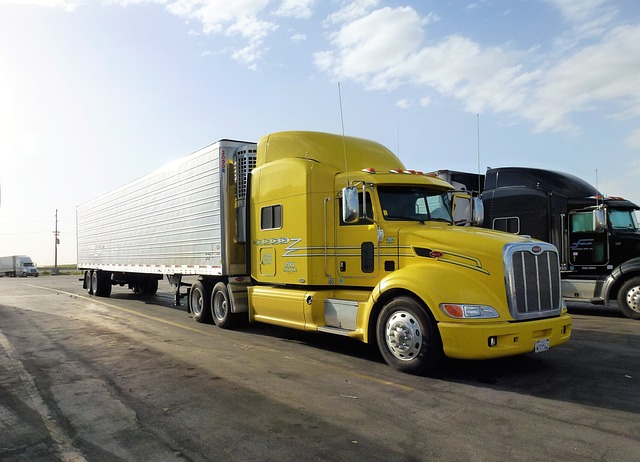
Before registering your car in California, it’s crucial to perform a Vehicle History Report and VIN (Vehicle Identification Number) check. This step is vital as it ensures the vehicle’s history is clear and free from any accidents or outstanding issues that could affect registration. You can obtain a comprehensive report through various online platforms, which will provide you with detailed information about the car’s past, including its ownership history, maintenance records, and any reported damage.
A VIN verification, often facilitated by mobile vin verifiers or vin inspection services, plays a significant role in this process. By using your vehicle’s unique VIN number, these services can cross-reference data from multiple sources to deliver an accurate report. This ensures that the car you’re looking to register is not only legally obtained but also safe and roadworthy, which are essential considerations for navigating California’s registration requirements.
Visit a California Department of Motor Vehicles (DMV) Office

To begin the process of registering your car in California, you’ll need to visit a local California Department of Motor Vehicles (DMV) office. This is where you’ll initiate the formalities and ensure that all necessary documents are in order. One crucial step during this visit is the vin verification, which involves checking the vehicle’s unique identifier to ensure its authenticity and history.
At the DMV, you can expect a straightforward process where staff will guide you through the registration steps. They may also offer services like mobile vin inspection or provide information about a mobile vin verifier, especially if you’re unsure how to proceed with certain aspects of the registration. This assistance ensures that you have all the required details for a seamless car registration experience in California.
Complete the Registration Process and Obtain Your License Plate

After submitting all necessary documents and fees, it’s time to complete the registration process. You’ll need to schedule a mobile VIN inspection, where a designated official will visit you at your preferred location for a vin verification. This involves checking the vehicle’s identification number (VIN) against state records to ensure its authenticity. Upon successful vin inspection, you’ll receive your license plate, which needs to be displayed on your vehicle.
A mobile vin verifier facilitates this crucial step by offering convenient and efficient vin inspection services right at your doorstep. This is particularly beneficial for those who may have difficulty visiting a DMV office. With the license plate secured, your car is now officially registered in California, allowing you to hit the road with peace of mind.
Registering a car in California involves several straightforward steps, from understanding the requirements to completing the necessary paperwork. Ensure you have all your documents in order for a smooth process, including proof of ownership and identification. A crucial part of the registration is the VIN (Vehicle Identification Number) verification, which ensures the vehicle’s history is clear. Once your vehicle passes inspection, visit any California DMV office to finalize the registration, pay the fees, and obtain your new license plate.