

Registering a car in California is a crucial step for any new owner, ensuring legal compliance and enabling access to public roads. However, navigating the process can be challenging, with various requirements and steps involved. This comprehensive guide aims to demystify the registration procedure, offering expert insights on every aspect. From gathering necessary documents to understanding fee structures, we’ll walk you through each critical phase. Moreover, we’ll emphasize the importance of a DMV VIN verification, ensuring your vehicle’s identity is accurately confirmed. By the end, you’ll be equipped with the knowledge to register your car effortlessly and legally in the Golden State.
- Prepare Required Documents for Car Registration
- Understand California's Vehicle Identification Number (VIN) Verification Process
- Gather Necessary Information from Your Car Manufacturer
- Visit a California Department of Motor Vehicles (DMV) Office for VIN Verification
- Complete Post-Verification Steps to Register Your Vehicle
Prepare Required Documents for Car Registration

Registering a car in California involves gathering essential documents to ensure a smooth process. One crucial step is preparing for DMV VIN verification, which requires accurate and up-to-date information about your vehicle. The Vehicle Identification Number (VIN) inspection is a critical aspect of this process, as it allows the Department of Motor Vehicles (DMV) to validate the car’s history and authenticity. This includes checking for any previous accidents or outstanding issues, ensuring you have all necessary paperwork in order.
To facilitate this verification, consider using a mobile VIN verification service. These applications enable users to quickly and conveniently conduct VIN inspections by providing detailed vehicle information directly from their smartphone or tablet. By employing a mobile VIN verifier, you can streamline the preparation process, saving time and effort. For instance, many of these services offer instant reports, detailing the vehicle’s history, current ownership, and any reported issues. This proactive approach ensures that when you visit the DMV, all your documents are in order, minimizing potential delays or complications.
Additionally, ensure you have original copies of key documents like the title, registration certificate, proof of insurance, and a valid driver’s license. It’s also beneficial to gather information regarding any previous owners, sales records, and maintenance history. Properly preparing these documents beforehand can significantly enhance your car registration experience in California, ensuring a swift and efficient process at the DMV.
Understand California's Vehicle Identification Number (VIN) Verification Process

California’s Vehicle Identification Number (VIN) verification process is a crucial step in registering your car, ensuring both vehicle authenticity and compliance with state regulations. The Department of Motor Vehicles (DMV) requires a VIN inspection as part of its registration procedure to combat fraud and ensure safety standards. During this process, the DMV verifies that your vehicle’s unique 17-character VIN matches the information provided by the manufacturer, cross-referencing it against their records.
A key aspect often overlooked is the availability of mobile vin verification services. These services offer a convenient alternative to traditional vin inspection by enabling you to complete the process remotely. Mobile vin verifiers, such as those provided by authorized agents or third-party apps, can perform real-time checks by scanning the vehicle’s VIN through your smartphone camera. This technology streamlines the registration process, saving time for both customers and DMV staff, especially in areas with high vehicle traffic. For instance, a study by the California DMV found that mobile vin verification reduced wait times at registration centers by an average of 20 minutes per transaction.
Understanding the intricacies of this process is vital to ensure a smooth car registration experience. It’s recommended to familiarize yourself with the specific requirements and, if possible, utilize modern tools like mobile vin verifiers. These services not only simplify the verification step but also enhance overall efficiency, making California’s vehicle registration system more accessible and user-friendly for all drivers.
Gather Necessary Information from Your Car Manufacturer
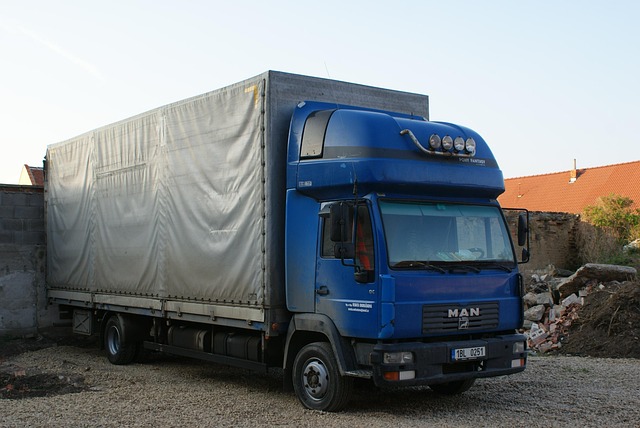
Before you begin the car registration process in California, it’s crucial to gather essential information from your vehicle manufacturer. This step is a fundamental part of ensuring a smooth and accurate registration experience. One critical piece of data you’ll need is the Vehicle Identification Number (VIN), which acts as a unique fingerprint for your car. The VIN can be found on documents provided by the manufacturer, typically located on the vehicle’s certificate of origin or owner’s manual. It serves as a vital link between your car and its history, making it an indispensable element in the registration process.
In California, the Department of Motor Vehicles (DMV) requires a VIN verification as part of their inspection process. This is where obtaining accurate manufacturer information becomes paramount. The DMV conducts this verification through various methods, including mobile vin inspection services that offer convenience and efficiency. Many car owners opt for mobile vin verifiers to streamline the initial registration steps, ensuring they have all necessary data before visiting a DMV office. These services provide an easy way to confirm your vehicle’s details, especially when dealing with older or rare models where information might be harder to access.
For instance, if you’re registering a classic car, a mobile vin inspection can help uncover valuable historical data, such as original equipment specifications and previous ownership records. This level of detail is not only beneficial for the registration process but also adds depth to your car’s history. Moreover, having accurate manufacturer information reduces the likelihood of errors or delays during DMV vin verification, ensuring a faster and less stressful registration experience.
Visit a California Department of Motor Vehicles (DMV) Office for VIN Verification

To register your car in California, you’ll need to ensure several crucial steps are completed, one of which is visiting a California Department of Motor Vehicles (DMV) office for VIN verification. This process confirms the vehicle’s identity and ensures it meets safety standards before issuing a registration. During this visit, DMV staff will examine critical components like lights, signals, brakes, and tires to ensure they function correctly. It’s essential to bring all necessary documents, including proof of ownership and insurance, as well as any required fees.
While many people associate this process with a traditional in-person visit, the DMV offers efficient alternatives through mobile VIN verification services. A mobile VIN verifier enables an inspector to conduct the necessary checks remotely, using advanced technology to capture and transmit data from your vehicle’s VIN (Vehicle Identification Number). This method is particularly useful for individuals who may face challenges visiting a physical DMV office or prefer the convenience of a drive-through inspection. For instance, some services can even perform mobile inspections at your home or workplace, streamlining the registration process significantly.
However, it’s crucial to understand that not all mobile VIN verifications are created equal. Ensure that any service you use is approved by the DMV and meets industry standards for accuracy and reliability. Reputable mobile services often provide real-time updates, allowing you to track the status of your inspection and registration progress seamlessly. By leveraging these modern options, you can make registering your car in California more efficient and hassle-free while maintaining compliance with necessary procedures like DMV VIN verification.
Complete Post-Verification Steps to Register Your Vehicle

After successfully completing the initial registration process at the California DMV, including passing the required inspections and providing all necessary documentation, there are crucial post-verification steps to ensure your vehicle’s legal status. One of the critical aspects often overlooked is ensuring a successful Vehicle Identification Number (VIN) verification. This process involves confirming key information linked to your car’s unique VIN number, which plays a vital role in establishing ownership and history.
For instance, when using a mobile VIN verifier, you can quickly access detailed vehicle history reports, including previous owners, service records, and any reported accidents or damage. This data is essential for identifying potential issues that could impact your registration or safety. A simple scan of the VIN can reveal hidden problems, such as odometer rollback, which is a common scam in the automotive industry. By utilizing these mobile tools, you empower yourself to make informed decisions and ensure a smooth registration process.
DMV VIN verification is a critical step that requires meticulous attention. It involves cross-referencing the vehicle’s information with official databases to maintain the integrity of California’s vehicle registry. This verification ensures that your car meets all safety standards and that any required emissions tests have been passed. During this phase, you may be asked to provide additional documents or undergo further inspections, especially if discrepancies are found during initial checks. Staying proactive and ensuring all details are accurate will streamline the entire registration experience.
To successfully register your car in California, navigating the DMV VIN verification process is crucial. By preparing the necessary documents, understanding the VIN verification protocol, gathering information from your manufacturer, and visiting a DMV office for inspection, you ensure your vehicle’s compliance with state standards. Post-verification, completing the registration formalities at the DMV allows you to legally operate your car. This structured approach, detailed in this article, guarantees a seamless experience, empowering you to confidently take to California’s roads.