

Registering a car in California is a vital step for any new owner, ensuring legal compliance and protecting your investment. However, navigating the process can be challenging, with numerous requirements and potential pitfalls. From gathering necessary documents to understanding fee structures, many drivers find themselves asking, “How do I register my vehicle in California?” This authoritative guide provides a comprehensive, step-by-step approach, including the use of a reliable VIN verifier, to ensure you successfully complete the registration process efficiently and accurately.
- Understanding California Car Registration Requirements
- Gather Necessary Documents for Car Registration
- How to Verify VIN (Vehicle Identification Number)
- Completing the California Car Registration Application
- Submitting and Paying for Your Car Registration
Understanding California Car Registration Requirements

Registering a car in California involves understanding specific requirements to ensure legal compliance and smooth transactions. The process begins with verifying the Vehicle Identification Number (VIN) to confirm the vehicle’s authenticity and history. A crucial step is using a mobile VIN verifier or conducting a comprehensive VIN inspection, which helps identify any potential issues or discrepancies. This is essential as California has stringent regulations regarding vehicle registration, particularly when transferring ownership.
A mobile VIN verifier provides a convenient way to check a vehicle’s history in real-time. By inputting the VIN into an online tool or app, users can access detailed information about the car’s past, including accident reports, odometer readings, and maintenance records. This data is invaluable for buyers and sellers alike, as it minimizes the risk of fraud and ensures a transparent transaction. For instance, a 2015 study by the California Department of Motor Vehicles (DMV) revealed that approximately 4% of vehicles with suspicious VINs were later found to have altered or hidden history, underscoring the importance of proper VIN verification.
When conducting a VIN inspection, it’s recommended to engage professional services that employ advanced technology. These inspections go beyond basic number checking and involve comprehensive data analysis. Consider using mobile VIN inspection services that offer on-site assessments, ensuring convenience and accurate results. By combining these methods, California residents can confidently navigate the car registration process, maintaining compliance while safeguarding their investments.
Gather Necessary Documents for Car Registration

Registering a car in California involves several steps, and one of the most crucial is ensuring you have all the necessary documents. This process can be streamlined by utilizing modern tools like mobile VIN inspection services that offer a convenient and efficient way to verify your vehicle’s history. Begin by gathering key paperwork, including the title, which is mandatory for registration. The California Department of Motor Vehicles (DMV) requires a clear title in most cases, indicating the owner and any liens on the car.
Additionally, you’ll need a current vehicle registration from the previous state where the car was registered, if applicable. This document serves as proof of ownership and is essential for the transfer process. For out-of-state transfers, a valid inspection certificate or a completed Form DV505 (Vehicle Inspection Report) is necessary. It’s also imperative to have a current insurance card with the same level of coverage as required by California state law.
A mobile VIN verifier can be particularly useful here, as it allows you to quickly and accurately obtain a vehicle history report. This includes details such as accident records, odometer readings, and service histories, which can impact the registration process. By having these documents ready, you’ll save time and ensure a smoother registration experience when visiting your local California DMV office.
How to Verify VIN (Vehicle Identification Number)
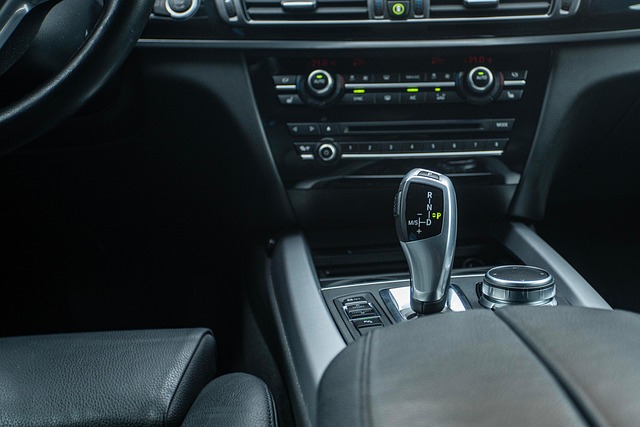
Verifying a Vehicle Identification Number (VIN) is a crucial step during the car registration process in California. This unique 17-character code acts as a fingerprint for your vehicle, providing essential information about its history and specifications. Accurately confirming the VIN ensures that you’re registering the correct car and helps prevent fraud or identity issues. One convenient method to achieve this is through a mobile VIN inspection service, allowing you to verify the VIN digitally with just a few clicks.
A reputable VIN verifier will cross-reference your vehicle’s information against extensive databases, offering detailed insights into its past. This includes details about original manufacturers, owners, and any reported accidents or damage. For instance, a quick online check might reveal that a used car you’re considering had minor fender bender repairs but has since been meticulously maintained. Such knowledge empowers California residents to make informed decisions when registering their vehicles.
When utilizing mobile VIN inspection tools, ensure they are trusted sources with secure data handling practices. Reputable companies often integrate advanced technology, such as real-time vehicle history reports and even visual verification via photo comparison. This ensures that the process is not only accurate but also convenient for California drivers. By employing these modern methods, you can streamline the VIN verification step of your car registration, making it a seamless experience.
Completing the California Car Registration Application

Completing the California Car Registration Application is a crucial step in ensuring your vehicle’s legal status within the state. As part of this process, you’ll need to fill out the necessary paperwork, which includes the California Car Registration Application (Form DVF 205). This form serves as the primary document for registering your vehicle and establishing its official record with the California Department of Motor Vehicles (DMV).
The application requires accurate and up-to-date information about your vehicle. Key elements include the Vehicle Identification Number (VIN), which acts as a unique fingerprint for your car. It’s essential to ensure the VIN is correctly recorded, making it easy to verify through official channels. You can utilize a mobile VIN inspection or a trusted VIN verifier to cross-check this critical detail before submitting the form. For instance, many online tools and apps allow you to enter your VIN to access vehicle history reports, which can help identify any potential discrepancies.
When completing the application, double-check each entry for accuracy. This includes details like the make, model, year, and color of your vehicle. Inaccurate information can lead to delays or even rejection of your registration request. The DMV offers guidance on their website regarding what to include and how to format this information, ensuring a smooth submission process. For instance, if you’re registering a newly purchased car, you’ll need to provide proof of sale and payment, along with the appropriate fees. Alternatively, for title transfers, certain legal documents may be required, such as a bill of sale or a previous registration.
Once your application is meticulously completed, it’s time to submit it along with any necessary supporting documentation. You can do this through various methods, including mail or in-person at a local DMV field office. For added convenience, many areas now offer mobile VIN inspection services, allowing you to verify your vehicle’s details and register it on the go. The DMV will process your application, performing their own VIN inspection (if required) before issuing your official registration papers. This comprehensive approach ensures that every registered vehicle in California has an accurate and verified record, enhancing road safety and vehicle ownership experience.
Submitting and Paying for Your Car Registration

Registering a car in California involves several crucial steps, and one of the key aspects is submitting and paying for your vehicle’s registration. This process ensures that your car complies with state regulations and allows you to legally operate it on California roads. Here’s a detailed guide to help you navigate this essential task.
First, gather all necessary documents before beginning the registration process. You’ll typically need proof of identification, such as a valid driver’s license or state-issued ID card, as well as proof of vehicle ownership, which might include a title or a bill of sale. If you’ve recently purchased the car and don’t have these documents yet, many California DMV locations allow you to apply for temporary registration while waiting for your official paperwork. Additionally, have your Vehicle Identification Number (VIN) verifier ready. Using a mobile VIN verifier can streamline this step, enabling you to quickly confirm your vehicle’s history and ensure all documentation is in order.
Once all documents are prepared, submit an Application for Title and Registration form, which can be obtained online or at any California DMV office. Fill out the form accurately, providing detailed information about your vehicle, including the VIN number. It’s during this phase that a mobile VIN inspection can prove invaluable. By utilizing these portable devices, you can ensure your car’s history is clean and free from any discrepancies. The DMV will then process your application, which involves verifying your documentation and conducting a thorough check of your vehicle’s registration status.
After your application is approved, you’ll be required to make the necessary payments. California car registration fees vary based on several factors, including your vehicle’s type and age. You can typically pay for your registration online through the DMV’s secure website or at local DMV offices. Upon successful payment, you’ll receive your official registration documents, allowing you to legally drive your vehicle in the state of California.
By following California’s car registration process step by step, you can ensure a smooth and legally compliant ownership experience. Key takeaways include gathering all required documents, accurately verifying your Vehicle Identification Number (VIN) using a reliable VIN verifier, and completing the application form diligently. Remember to submit the application along with the necessary fees to the appropriate California Department of Motor Vehicles (DMV) office. This comprehensive guide equips you with the knowledge to navigate the process confidently, allowing you to hit the road legally and enjoy your vehicle to the fullest.