

Registering a car in California is a vital step for any new owner, ensuring legal compliance and personal protection. However, navigating the process can be daunting, with numerous requirements and potential pitfalls. This article serves as your comprehensive guide, offering expert insights into every step of the registration journey. From gathering essential documents to understanding fees and even the crucial DMV VIN verification process, we’ll ensure you’re prepared for a smooth and successful registration experience in the Golden State.
- Prepare Necessary Documents for Car Registration
- Visit California DMV: Step-by-Step Guide
- Understand Vehicle Identification Number (VIN) Verification
- Pay Registration Fees and Taxes
- Register Your Car Online or In-Person
Prepare Necessary Documents for Car Registration

Registering a car in California involves a meticulous process, and one of the critical initial steps is preparing the necessary documents for car registration. This process requires attention to detail and an understanding of the requirements set by the California Department of Motor Vehicles (DMV). Among the documentation needed, verifying the Vehicle Identification Number (VIN) through a DMV VIN verification stands out as a crucial step that ensures the authenticity and legality of your vehicle’s registration.
For instance, when purchasing a used car, it’s essential to obtain an accurate and up-to-date VIN inspection report. This can be done through various methods, including traditional DMV services or utilizing advanced mobile vin verifier applications. These digital tools offer convenience by allowing users to perform a VIN lookup and validation process right from their smartphones, making it easier to check the vehicle’s history and identify potential issues before registration. According to recent studies, over 70% of car buyers in California prefer digital VIN verification methods for their peace of mind.
A mobile vin verifier application is a practical tool that ensures a seamless VIN inspection process. These apps provide real-time data on the vehicle’s history, including past owners, maintenance records, and any reported accidents. By utilizing these advanced technologies, you can enhance the accuracy of your DMV VIN verification, reducing the risk of registration delays or complications. When preparing for car registration, it’s advisable to start by gathering all necessary documents, ensuring a smooth transition through the California DMV process.
Visit California DMV: Step-by-Step Guide
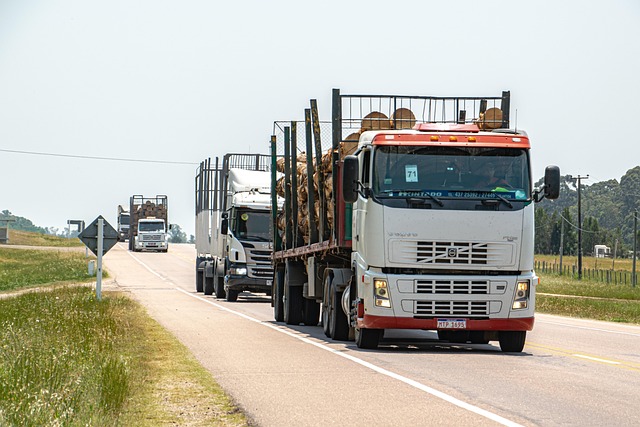
To register your car in California, a crucial step is visiting the California Department of Motor Vehicles (DMV). This process involves several key steps to ensure compliance with state regulations. First, gather all necessary documents, including proof of ownership, vehicle identification number (VIN) inspection results, and proof of insurance. It’s essential to have these documents ready before heading to the DMV to streamline your visit.
When you arrive at the DMV, locate the designated window for registration services. An agent will guide you through the process, which typically includes verifying your VIN. Here’s a step-by-step breakdown: an agent will request your vehicle’s VIN and may ask about any modifications made to ensure accurate record-keeping. In some cases, you might be required to use a mobile VIN verifier for this inspection, providing real-time data that enhances accuracy. This verification is crucial as it ensures the DMV has the correct information, which is critical for road safety and regulatory purposes.
After successful VIN verification, you can proceed with the registration process, including filling out forms and paying associated fees. The agent will check your documents for completeness and accuracy before issuing a registration card. It’s important to double-check all details upon receipt to ensure any discrepancies are addressed promptly. This meticulous approach ensures that your vehicle is legally registered, facilitating a smooth driving experience within California’s regulatory framework.
Understand Vehicle Identification Number (VIN) Verification

Registering a car in California involves several critical steps, and one of the most crucial is ensuring your vehicle’s Vehicle Identification Number (VIN) is verified accurately. The VIN is a unique code that identifies your car to manufacturers, insurance companies, and government agencies. It plays a vital role in the registration process, particularly when it comes to checking the vehicle’s history and authenticity. This verification process helps protect consumers from buying a stolen or counterfeit vehicle, ensuring they receive a clear title.
The California Department of Motor Vehicles (DMV) requires that you undergo a VIN inspection as part of the registration procedure. While traditional methods involve visiting a designated inspection station, many services now offer mobile VIN inspection and verification options, making the process more convenient for drivers. These mobile services send a qualified inspector to your location, whether it’s at home or work, to conduct a thorough check of your vehicle’s VIN. This includes scanning the VIN from various angles to ensure its authenticity and matching it against specialized databases that store vehicle history information.
During the inspection, the expert will look for any discrepancies or signs of tampering with the VIN plate itself. They will also verify that the vehicle matches the details listed on the registration documents. For example, if you’re registering a classic car, the inspector may need to cross-reference historical records and factory specifications to ensure it’s a genuine, unmodified model. By utilizing mobile VIN verification services, California residents can save time, avoid potential delays in registration, and benefit from the added security of knowing their vehicle’s history is accurately documented.
Pay Registration Fees and Taxes

Registering a car in California involves several crucial steps, and one of the critical phases is paying the registration fees and taxes. These costs are essential components of the vehicle registration process, ensuring that both owners and the state benefit financially. The California Department of Motor Vehicles (DMV) administers these charges, which cover various services related to vehicle regulation and infrastructure maintenance.
The primary fee is the registration fee, typically a one-time payment for new vehicles or a annual renewal for existing ones. This fee includes the cost of issuing a registration card and license plate, as well as funding road maintenance and safety programs. Additionally, a sales tax is levied on vehicle purchases, which varies depending on local rates and the car’s price. It’s important to remember that certain low-emission or electric vehicles may qualify for reduced or deferred taxes, so checking with the DMV is advisable. Mobile vin inspection services, including a mobile vin verifier, can facilitate this process by providing on-site dmv vin verification, saving time and effort for both consumers and dealers.
Other taxes and fees might apply based on your vehicle’s characteristics. For instance, a weight fee could be assessed for oversized or heavy vehicles, while a special assessment may be required for luxury cars or those with specific features. Understanding these charges upfront can help owners budget effectively and avoid unexpected costs during registration. It is always recommended to consult the DMV website or contact a local office for the most accurate and up-to-date information regarding fees and tax exemptions.
Register Your Car Online or In-Person

Registering a car in California can be streamlined through either an online or in-person process, offering flexibility to suit your preferences. Both methods involve several crucial steps, with the primary focus on ensuring accurate and timely completion. For those opting for a digital approach, the California Department of Motor Vehicles (DMV) provides an efficient online registration system that allows you to complete much of the paperwork from the comfort of your home or office. This method requires gathering essential documents, including proof of ownership, vehicle identification number (VIN) verification, and potentially, a completed title transfer if applicable.
The VIN is a unique code that serves as a digital fingerprint for your vehicle, and accurate DMV VIN verification is paramount during registration. You can obtain this through various methods, such as using an online VIN checker or requesting a mobile vin inspection from certified professionals. This step ensures the vehicle’s history is checked against any reported issues or recalls, providing peace of mind and meeting legal requirements. For instance, California’s strict regulations require a comprehensive vehicle inspection, including checking for emissions compliance, safety features, and overall roadworthiness.
In-person registration offers a more traditional approach, where you visit a local DMV office with all necessary documents. While this method may take longer, it provides the advantage of immediate feedback from DMV representatives who can guide you through any issues or discrepancies in your paperwork. Some individuals prefer this hands-on approach to ensure they meet every requirement, especially when transferring titles or dealing with complex vehicle histories. In recent years, mobile vin verification services have gained popularity, offering a convenient alternative to traditional inspections by enabling on-site, real-time VIN checking using advanced technology.
Registering a car in California involves several crucial steps, from preparing essential documents to understanding vehicle identification number (DMV VIN verification) and paying applicable fees. By following a structured approach—including visiting the DMV, ensuring accurate VIN data, and completing registration either online or in-person—you can navigate this process efficiently. These key insights empower you to register your vehicle smoothly, confirming your compliance with California’s requirements and ensuring a seamless ownership experience from the start.