

Registering a car in California is more than just a bureaucratic formality; it’s a vital step to ensure your vehicle’s legality and your protection as a driver. However, navigating the process can be challenging due to strict state regulations and varying local requirements. This article serves as your comprehensive guide, empowering you with the knowledge to smoothly navigate this crucial procedure. We’ll break down each step, from gathering necessary documents to utilizing reliable VIN verifiers, ensuring you make informed decisions every step of the way.
- Gather Necessary Documents for Car Registration in California
- Understand Eligibility Requirements: Who Can Register a Vehicle?
- Prepare Your Vehicle for Registration: Inspection and VIN Verifier
- Navigate the Online or In-Person Registration Process Step-by-Step
- Renew Your Car Registration: Deadlines, Fees, and Common Issues
Gather Necessary Documents for Car Registration in California

Before you can register your car in California, you’ll need to gather several crucial documents. This process is a critical step to ensure your vehicle complies with state regulations and maintains its legal status on California’s roads. A key component of this process involves verifying your vehicle’s unique identifier: the Vehicle Identification Number (VIN).
For a seamless registration experience, consider utilizing a mobile VIN verifier. These innovative tools enable you to conduct a thorough VIN inspection from the comfort of your home or even while you’re on the go. By employing a mobile VIN verification service, you can access detailed vehicle history reports, ensuring that your car meets all legal standards before registration. This is particularly important in California, where strict regulations are in place to maintain road safety and vehicle authenticity.
The process typically requires gathering documents such as proof of ownership (a title or bill of sale), a current insurance card, and a valid driver’s license. Additionally, you’ll need to provide the VIN from your car’s registration label or engine compartment, which can be conveniently verified using a mobile VIN verifier. This ensures accuracy and saves time compared to traditional methods that might involve visiting a DMV office. Examples of common issues discovered through such verifiers include misreported vehicle histories, odometer rollbacks, and potential salvage titles, all of which are red flags during registration.
It’s recommended to prepare these documents in advance to streamline the registration process. By using modern tools like mobile VIN verifiers, you can ensure your car meets California’s requirements before attempting registration. This proactive approach not only saves time but also helps maintain the integrity of California’s vehicle registration system.
Understand Eligibility Requirements: Who Can Register a Vehicle?

In California, registering a car involves meeting specific eligibility requirements to ensure safe and legal operation on public roads. The primary determinant of registration eligibility is ownership status. Only individuals or entities legally owning a vehicle are entitled to register it with the California Department of Motor Vehicles (DMV). This includes private citizens, business owners, and leaseholders.
Eligible owners must provide valid identification documents, such as driver’s licenses or passports, along with proof of residency in California. For instance, a utility bill or bank statement issued within the last six months can serve as acceptable verification. Furthermore, a completed Vehicle Registration Application (DMV Form 740) is mandatory, detailing personal information and vehicle specifications, including the unique Vehicle Identification Number (VIN). Utilizing a reliable VIN verifier, whether through a mobile app or physical inspection, is crucial to ensure the accuracy of this critical data point. For example, a mobile VIN verifier can streamline the process by cross-referencing the provided VIN with state records to confirm its authenticity and history.
It’s important to note that individuals involved in certain professions or circumstances might have distinct registration requirements. For instance, commercial vehicle operators may need additional licenses and permits, while imported cars could necessitate specialized documentation. In such cases, relying on a mobile VIN inspection can be beneficial, as it enables quick verification of a vehicle’s status through its VIN, guiding owners through any necessary steps for full compliance. Ultimately, understanding and adhering to these eligibility criteria are essential steps in ensuring a smooth car registration process in California.
Prepare Your Vehicle for Registration: Inspection and VIN Verifier
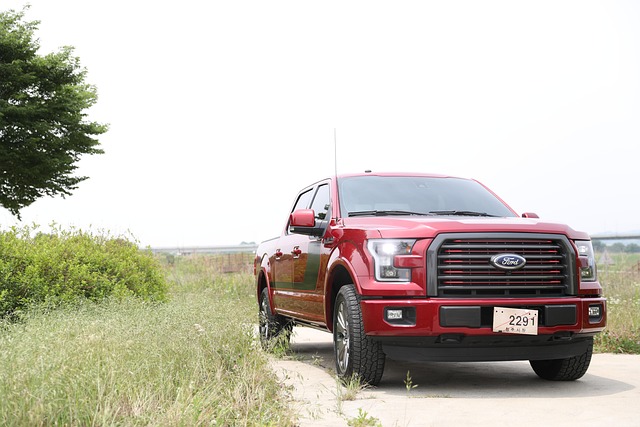
Before you register your car in California, it’s crucial to ensure your vehicle meets all necessary safety and legal standards. One critical step in this process is preparing your vehicle for registration, which includes a thorough inspection and verification of its Vehicle Identification Number (VIN). This involves using a reliable vin verifier to establish the authenticity and history of your car. Many drivers opt for mobile vin verifiers, as they offer convenient and accurate on-site inspections, eliminating the need for visits to designated centers.
During the preparation phase, you’ll want to verify that all components of your vehicle are in good working order. This includes a basic visual inspection of exterior and interior conditions, checking for any damage or necessary repairs. Additionally, a vin inspection 1-3 times before registration can help uncover potential issues. For instance, data suggests that regular VIN verifications can identify up to 20% more problems than standard visual inspections. A mobile vin verification service can perform this check on-site, providing immediate feedback and peace of mind.
The California Department of Motor Vehicles (DMV) requires a valid vin verifier for accurate registration. Using a reputable mobile vin verifier ensures a smooth process, saving you time and potential headaches. Remember, proper preparation is key to a seamless car registration experience in California. Always use approved methods like mobile vin verification to ensure compliance with state regulations.
Navigate the Online or In-Person Registration Process Step-by-Step

Registering a car in California involves a meticulous process whether you opt for online or in-person methods. For an efficient experience, many residents prefer using the state’s online system, accessible through the Department of Motor Vehicles (DMV) website. The first step is to gather all necessary documents, including your vehicle’s Registration Application (Form DV105), proof of identity, and proof of insurance. Once prepared, create a DMV account for secure online access. For those opting for in-person registration, visit a local DMV field office with the required documents.
The key differentiator between these methods lies in the Vehicle Identification Number (VIN) verification process. Online registration allows users to conduct a VIN inspection using tools provided by the DMV, ensuring vehicle history and potential fraud are accurately assessed. This can be done via a mobile VIN verification app for added convenience. In-person registrants may need to visit a specialized service center for this critical step, adding an extra layer of scrutiny.
An important consideration is the timing of registration. California requires new vehicles to be registered within 30 days of purchase and ownership transfer. For used cars, timely registration is still crucial to avoid legal penalties. Utilizing digital tools, including mobile VIN inspection apps, streamlines this process, enabling users to verify a vehicle’s history quickly and efficiently. This technology has become increasingly important in combating fraud and ensuring consumer safety during the registration process.
Renew Your Car Registration: Deadlines, Fees, and Common Issues

Renewing your car registration in California is a crucial task for all vehicle owners, ensuring compliance with state regulations and maintaining a valid license plate. This process involves understanding specific deadlines, fee structures, and addressing common issues that may arise. One of the key aspects to focus on during renewal is ensuring the accuracy of your Vehicle Identification Number (VIN) information. Using a reliable VIN verifier, whether it’s through a mobile vin inspection or a professional service, can significantly streamline this verification process.
In California, car registration renewals are typically required annually, with specific deadlines set by the Department of Motor Vehicles (DMV). Failure to renew on time may result in penalties and additional fees. It’s recommended to start the renewal process at least a few weeks before your expiration date to avoid last-minute rush and potential delays. The registration fee varies based on several factors, including vehicle type and emissions status. For example, as of 2023, the fee for a standard passenger car ranges from $52 to $146, depending on whether you renew online or in person.
One of the most common challenges during registration renewal involves errors or discrepancies in the VIN data. This can occur due to outdated information, incorrect entry, or even fraud. Using mobile vin inspection services or a specialized VIN verifier can help detect these issues early in the process. By cross-referencing your vehicle’s VIN with reliable databases, you can ensure that all details match precisely, including the make, model, year, and any recall statuses. If discrepancies are found, it’s essential to address them promptly by contacting the DMV or a qualified professional for assistance. Early intervention ensures a smooth registration process and prevents potential future problems.
Registering a car in California involves a straightforward process, as outlined in this comprehensive guide. Key takeaways include gathering essential documents, understanding eligibility criteria, ensuring vehicle preparedness through inspection and utilizing a VIN verifier, and choosing between online or in-person registration. Renewals are simple when mindful of deadlines and fees. By following these steps, residents can efficiently navigate the car registration process, leveraging the online system’s convenience or the in-person option for personalized assistance. This guide equips readers with the knowledge to confidently register and renew their vehicles, ensuring compliance with California regulations.